Fluorspar: The Critical Mineral Powering Precision Etching in AI Semiconductors
- David Rogers
- AI Buildout Supply Chain
- 2026-07-07
NEED TO KNOW
- Irreplaceable Wet Etching Chemical: Fluorspar (acid-grade CaF₂) is distilled with sulfuric acid into Ultra-High-Purity Hydrofluoric Acid (HF) for sub-5nm silicon dioxide etching and wafer cleaning.
- China Dominates Mining: China produces ~60% of the world's 10M metric ton annual fluorspar output, with Mexico serving as the primary supplier to North American chemical refiners.
- Surging AI Process Intensity: Rising wafer starts for advanced logic and HBM memory expand process step count and HF chemical consumption per fab.
- Circular Fluorine Recovery: Fluorosilicic acid (FSA) recovered from phosphate fertilizer waste and fab wastewater recycling provide scalable circular alternatives to raw fluorspar mining.
Fluorspar (CaF₂) is the mineral source of fluorine used to manufacture hydrofluoric acid (HF). Semiconductor fabs use ultra-pure hydrofluoric acid to etch microscopic patterns into silicon dioxide layers and clean silicon wafers /Kern/. These chemical cleaning and etching steps shape the microscopic features inside AI processors and memory chips. No alternative chemical matches the precision of hydrofluoric acid for sub-5nm microchip manufacturing.
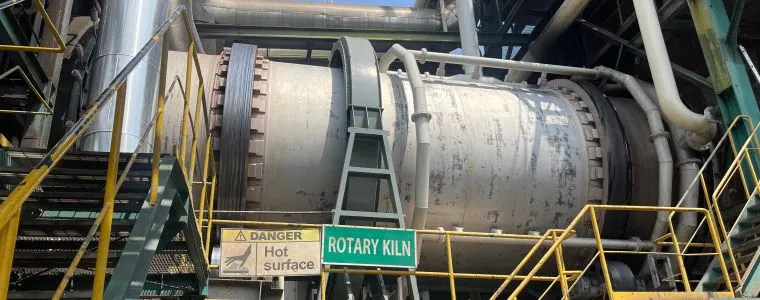
Acid-grade fluorspar (≥97% CaF₂) reacts with concentrated sulfuric acid in rotary kilns or furnaces at 200–300°C to produce HF gas (CaF₂ + H₂SO₄ → 2HF + CaSO₄), which is then condensed and distilled. Semiconductor-grade “ultra-high-purity” (UHP) HF demands additional multi-stage purification to achieve parts-per-billion impurity levels, especially removing arsenic and metals that cause defects.
Ultra-Purity Hydrofluoric Acid (UHP-HF) Manufacturing Process
Acidspar Flotation
Ore ConcentratingMine fluorite mineral ore and wash it using froth flotation to produce 97% pure acidspar.
Kiln Thermal Reaction
HF Gas GenerationReact acidspar with hot concentrated sulfuric acid inside industrial rotary kilns to generate HF gas.
Multi-Column Distillation
UHP Chemical DeliveryDistill HF gas through multiple purification columns to remove metals, creating sub-ppb liquid acid for silicon chip etching.
Key challenges include declining ore grades (raising beneficiation energy, water, and waste), the process’s high energy intensity and toxicity (HF is extremely hazardous), strict emissions controls, and large gypsum byproduct volumes. Emerging alternatives such as fluorosilicic acid (FSA) from phosphate fertilizer waste or direct low-temperature fluorination bypassing free HF /EPA/, aim to cut costs, hazards, and supply-chain steps, with early adoption already reducing fluorspar use in some fabs.
Demand is rising sharply. HF from fluorspar supports not only legacy uses (aluminum smelting, refrigerants, fluoropolymers) but also booming semiconductor wet processes and lithium-ion battery electrolytes (LiPF₆). AI-driven expansion of advanced logic and HBM/memory capacity is increasing wafer starts and process complexity, amplifying HF intensity per fab /Air Liquide/. The broader fluorspar market is projected to grow at a ~4.5–5.1% CAGR through the 2030s, with semiconductor and battery segments as primary accelerators. China’s domestic consumption surge (batteries + semis) is shifting it from net exporter toward tighter supply.
Global mine production stands at roughly 10 million metric tons annually (2025), with China accounting for ~60%. World reserves are ample (hundreds of millions of tons), yet high-grade acidspar is depleting in key regions, prompting mine restarts and new developments in the US (Utah), Canada, Mongolia, and elsewhere. The US remains 100% import-reliant for fluorspar, sourcing mainly from Mexico (~60%+ of acid-grade imports), with smaller volumes from Vietnam, South Africa, and China /USGS/. Recycling is limited with synthetic fluorspar from industrial waste facing purity constraints, but FSA recovery from phosphate plants offers a growing circular alternative (equivalent to tens of thousands of tons of fluorspar yearly). Stockpiles exist but are not a primary buffer.
Supply concentration creates geopolitical risk: China dominates both mining and downstream HF/fluorochemical processing, exposing AI supply chains to potential export licensing, environmental shutdowns, or trade tensions. Mexico’s large, proximate deposits (world’s largest mine) and USMCA advantages provide diversification for North American fabs, while Japanese and European firms (e.g., Stella Chemifa, Solvay, Honeywell) specialize in UHP electronic-grade HF /Stella Chemifa/. Major players include Chinese miners/processors (China Kings Resources, Minmetals), Orbia/Mexichem, and electronics specialists such as Air Liquide, which provides high-purity HF purification, bulk distribution systems (FabChem™), and on-site delivery solutions tailored for advanced semiconductor fabs. Securing diversified, high-purity HF chains from mine to point-of-use is now a strategic priority for resilient AI hardware buildout.
Key Insights
Why is hydrofluoric acid (HF) irreplaceable in advanced silicon wafer fabrication?
Hydrofluoric acid is the primary chemical used for precise wet etching of silicon dioxide layers and surface cleaning of silicon wafers. No other chemical matches the selectivity and atomic-level control of hydrofluoric acid at sub-5nm transistor nodes, making it essential for producing advanced logic and high-bandwidth memory chips.
How is hydrofluoric acid produced, and where are the raw materials mined?
Hydrofluoric acid is produced by reacting acid-grade fluorspar (calcium fluoride) with concentrated sulfuric acid at high temperatures, followed by distillation. China accounts for roughly 60% of global fluorspar mining, while Mexico holds the world’s largest single fluorspar mine and acts as the leading supplier to North American chemical producers.
What circular alternatives can reduce semiconductor reliance on mined fluorspar?
Fluorosilicic acid (FSA), a byproduct of phosphate fertilizer manufacturing, can be recovered and processed into hydrofluoric acid, offering a circular alternative to primary fluorspar mining. Additionally, advanced recycling technologies in semiconductor fabrication plants allow for the recovery of high-purity fluorine from wastewater streams to reduce overall chemical consumption.