References Behind Tolerate Lower Profits while Cultivating a Large Workforce (of Humanoids)
- David Rogers
- 2026-01-18
This week’s subscription giveaway riddle refers to all the humanoid announcements at CES 2026, namely Atlas, and Dan Wang’s bestseller Breakneck: China’s Quest to Engineer the Future. Other acceptable answers include the Reindustralize movement or Industrialist Papers.
Read the digest here.
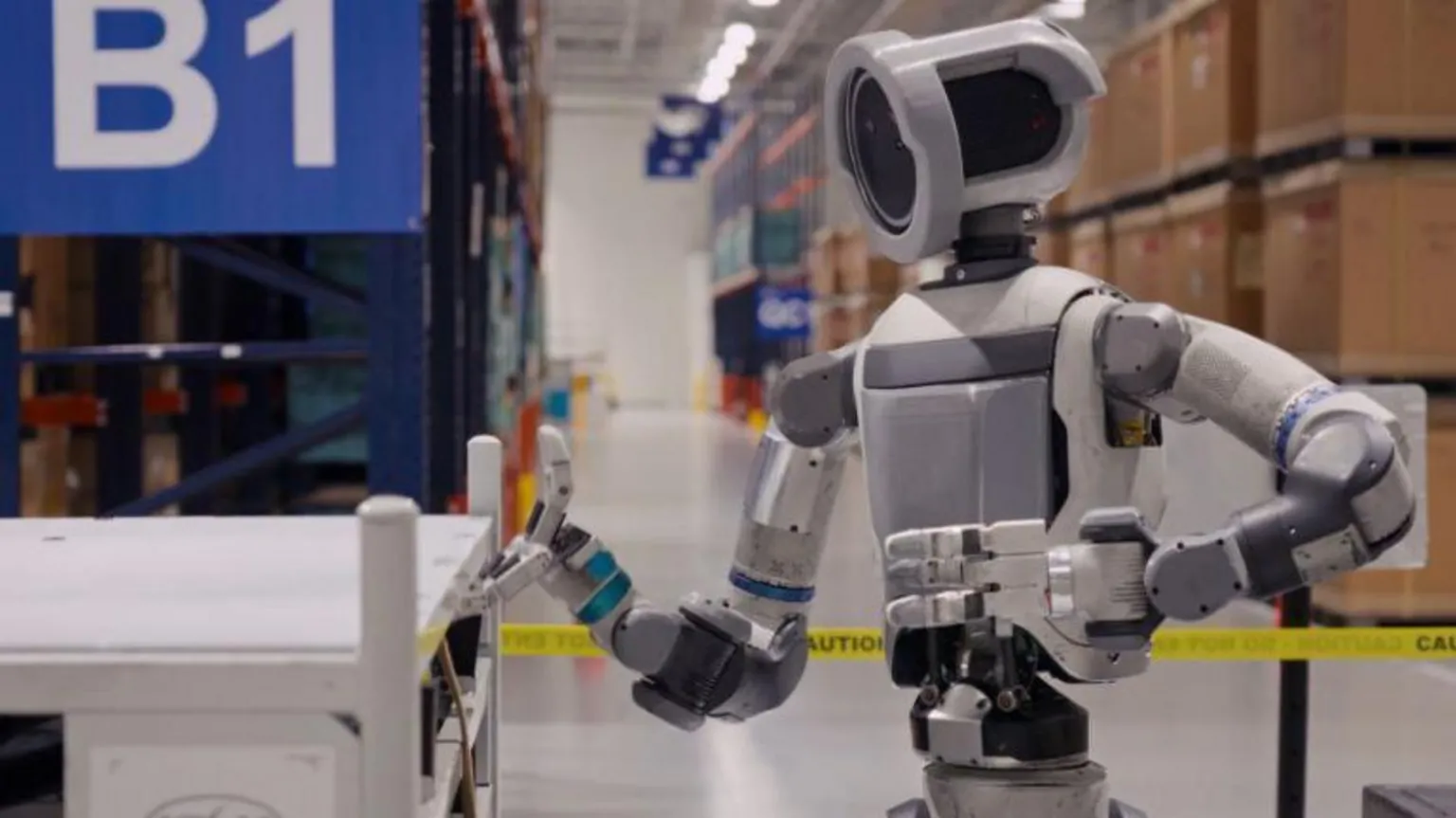
At CES 2026, Hyundai Motor Group debuted real-world human-centered AI Robotics. Although factory deployment remains a few years away (at least for Hyundai).
The Group will gradually expand the deployment of Atlas robots through process-by-process validation. Beginning in 2028, Atlas will be introduced on processes with proven safety and quality benefits, such as parts sequencing. By 2030, applications will extend to component assembly, and over time, Atlas will also take on tasks involving repetitive motions, heavy loads, and other complex operations — ensuring safer working environments for factory employees. As its performance is validated, the Group aims to progressively scale adoption across entire production sites.
While in Breakneck Chapter 3, Dan Wang ariculates China’s “building big” approach and how that strategy leads to lower profits for participating firms. In his 2025 annual letter, he goes further into cultural comparisons between Silicon Valley and China.
This lack of emphasis on efficiency has been key to another Chinese success: Part of the reason that China dominates advanced manufacturing technologies is precisely because it tolerates lower profits while cultivating a large workforce.
Breakneck, page 55